Admin July 21, 2026
AI-Powered Smart Fabrics Explained
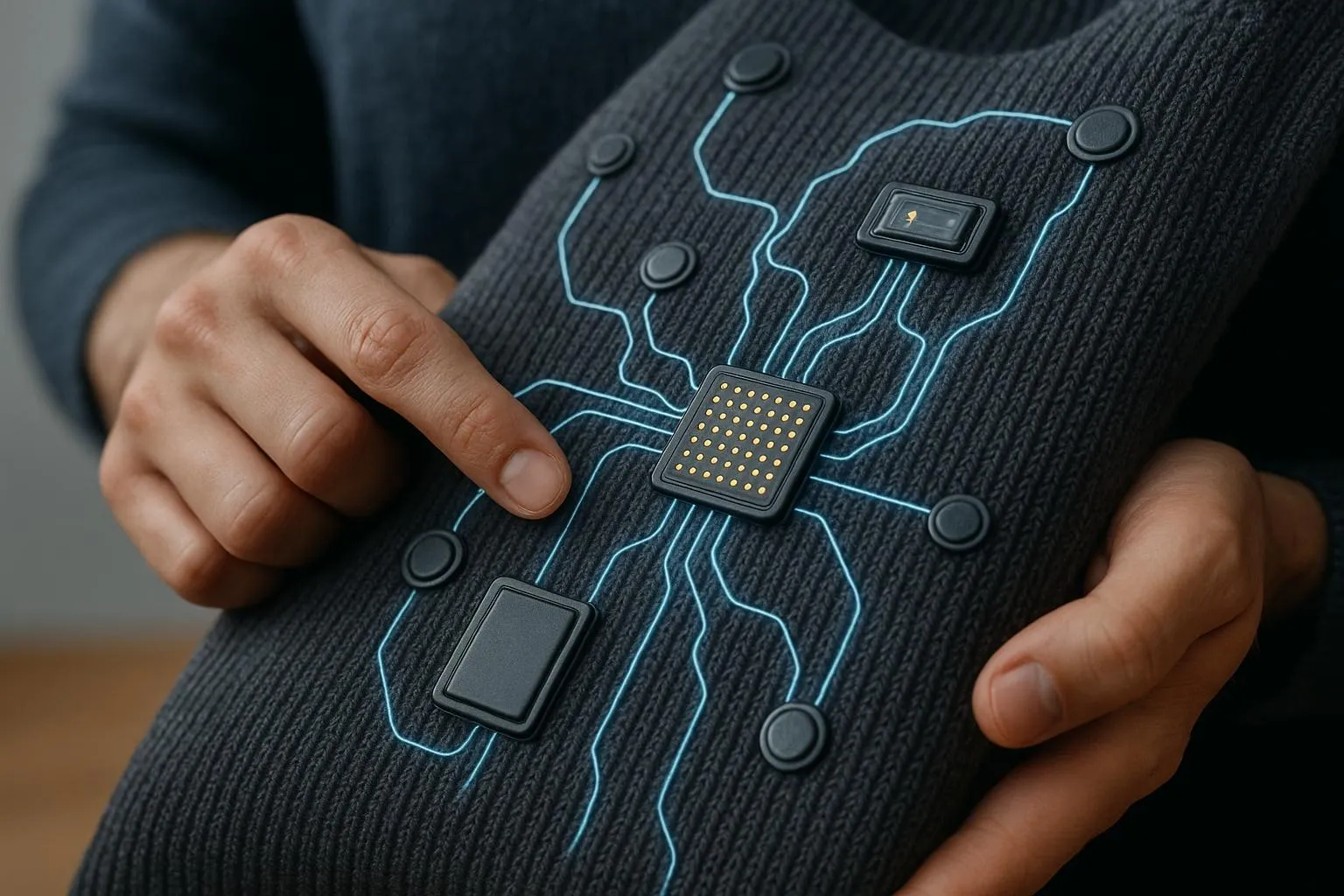
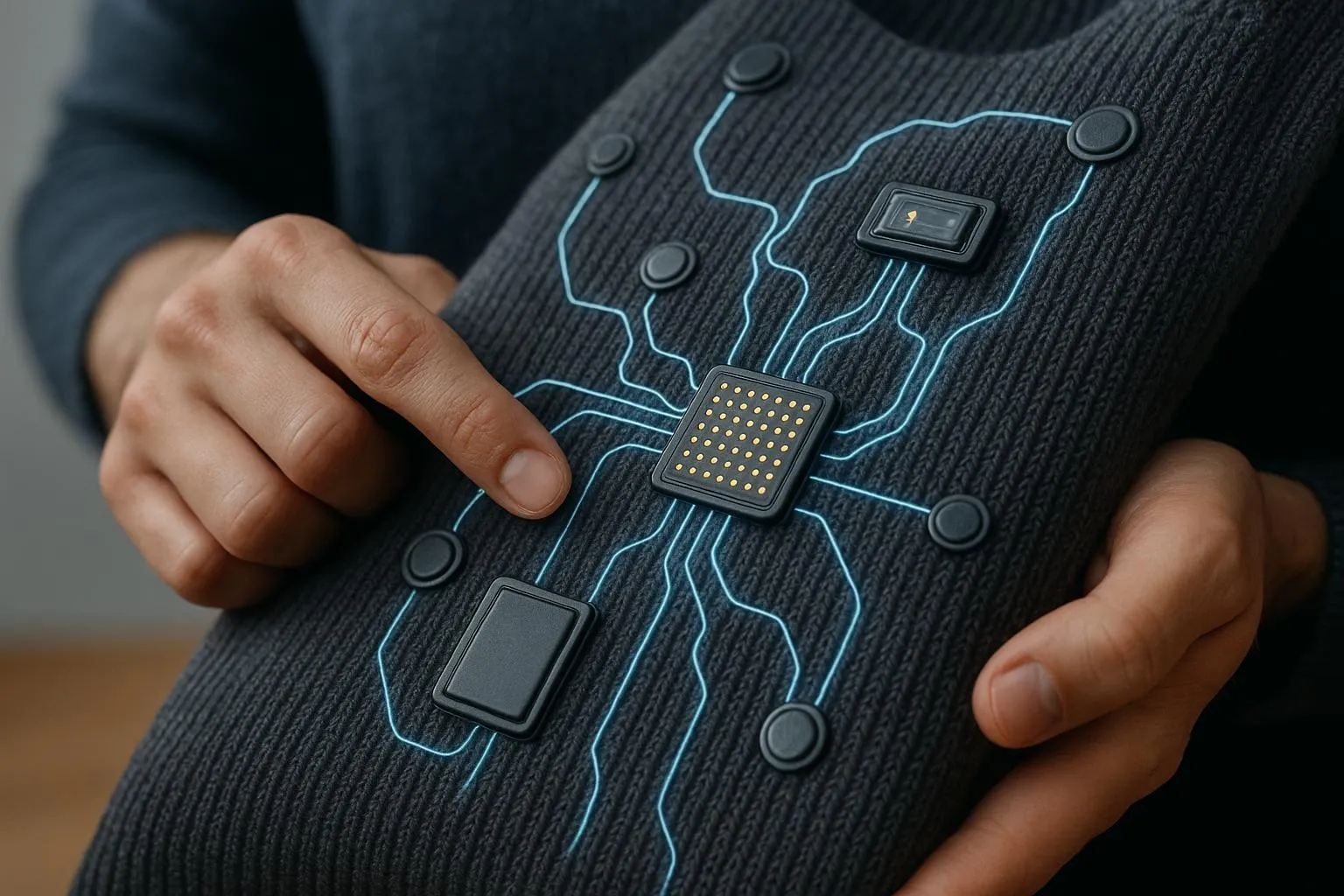
The textile industry is entering a new era where fabrics are no longer designed only for appearance, comfort, and durability. Artificial Intelligence is helping create a new generation of intelligent materials known as smart fabrics. These advanced textiles can interact with their surroundings, collect information, respond to changes, and provide useful functions that traditional fabrics cannot offer. AI powered smart fabrics combine innovative textile materials with sensors, electronic components, data processing, and intelligent software to create fabrics that can monitor conditions and respond intelligently. Depending on their design, these fabrics can help regulate body temperature, monitor physical activity, detect environmental changes, support healthcare applications, and improve comfort. In the home textile sector, intelligent fabrics may also be used in smart bedding, curtains, furniture textiles, and other products that respond to temperature, light, or user preferences. As Artificial Intelligence continues to develop, smart fabrics are becoming an important part of the future of textiles, opening new opportunities for manufacturers, designers, healthcare providers, sports companies, and consumers.
What Are AI Powered Smart Fabrics
AI powered smart fabrics are advanced textile materials that combine traditional fabric technology with Artificial Intelligence, sensors, electronic components, and data analysis.
Unlike conventional textiles, smart fabrics can collect information about their environment or the person using them.
The collected information can be analyzed by intelligent software to identify patterns and provide useful responses.
For example, a smart fabric may detect changes in temperature and adjust its thermal properties to improve comfort.
Other smart textiles can monitor movement, pressure, moisture, or physical activity.
This combination of textile engineering and Artificial Intelligence is creating entirely new possibilities for the textile industry.
How Artificial Intelligence Works With Smart Fabrics
Artificial Intelligence acts as the intelligent decision making system behind many smart fabric applications.
Sensors embedded within the fabric collect information from the surrounding environment or the user.
This information is transferred to a digital system where AI algorithms analyze the data and identify patterns.
The system can then provide recommendations or activate specific functions depending on the information it receives.
For example, a smart textile may detect that a person is becoming too warm and adjust its temperature management properties.
AI allows smart fabrics to become more responsive and personalized over time.
Smart Fabrics That Monitor Temperature
Temperature regulation is one of the most promising applications of smart fabrics.
Traditional fabrics provide a fixed level of insulation and ventilation.
Smart fabrics can respond to changes in body temperature or environmental conditions.
AI analyzes temperature data and helps determine when the fabric should provide more insulation or allow greater airflow.
This technology could be especially useful in sportswear, healthcare textiles, outdoor clothing, bedding, and home textile products.
AI Powered Smart Bedding
The future of bedding could become much more intelligent with the development of AI powered smart fabrics.
Smart bedding systems may use sensors to monitor sleeping conditions, body temperature, movement, and environmental factors.
Artificial Intelligence can analyze this information and provide insights that help improve sleep comfort.
Future smart beds may automatically adjust temperature, firmness, or ventilation according to individual preferences.
This could create highly personalized sleeping environments that improve comfort and support better rest.
Smart Fabrics in Healthcare
Healthcare is another major area where intelligent textiles can provide valuable benefits.
Smart fabrics can contain sensors that monitor body temperature, movement, heart activity, breathing patterns, and other health related information.
Artificial Intelligence analyzes the collected information and can identify unusual patterns that may require attention.
These technologies may support remote patient monitoring and help healthcare professionals understand changes in a patient's condition.
As wearable healthcare technology develops, smart fabrics could become an important part of personalized healthcare solutions.
Smart Fabrics for Sports and Fitness
Athletes and fitness enthusiasts can benefit from AI powered smart fabrics that monitor physical activity.
Sensors integrated into clothing can collect information about movement, muscle activity, body temperature, and exercise intensity.
Artificial Intelligence analyzes this information and provides useful insights into performance and recovery.
Future sports textiles may help athletes improve training techniques, monitor fatigue, and reduce the risk of injury.
This creates new opportunities for textile manufacturers to develop innovative products for the global sports market.
Improving Comfort and Personalization
One of the biggest advantages of AI powered smart fabrics is personalization.
Traditional textiles are designed for general use, but intelligent fabrics can respond to individual needs.
A smart textile may adjust its properties based on body temperature, movement, environmental conditions, or personal preferences.
Artificial Intelligence learns from user behavior and can improve its responses over time.
This creates a more comfortable and personalized experience for consumers.
Smart Fabrics in Home Textiles
AI powered smart fabrics have significant potential in the home textile industry.
Future products may include intelligent curtains that respond to sunlight, bedding that manages temperature, carpets that detect movement, and furniture fabrics that monitor environmental conditions.
These technologies could transform ordinary household textiles into intelligent products that interact with users and their surroundings.
The development of smart home textiles may create entirely new categories of products for modern homes.
Supporting Sustainable Textile Manufacturing
Smart fabrics may also contribute to more sustainable textile production.
Artificial Intelligence can help optimize material performance, extend product life, and reduce unnecessary replacement.
Intelligent textiles may monitor their own condition and provide information about wear and damage.
This could help consumers and manufacturers understand when products actually need repair or replacement.
Longer product lifespans can reduce textile waste and improve resource efficiency.
Organizations such as Textile Exchange promote responsible textile production and innovation that supports a more sustainable textile industry.
Challenges of AI Powered Smart Fabrics
Despite their potential, smart fabrics also face several challenges.
Manufacturers must develop textiles that are comfortable, flexible, durable, washable, and safe while incorporating electronic components and sensors.
The cost of production can also be higher than traditional textiles.
Data privacy and cybersecurity are important considerations when smart fabrics collect personal information.
Manufacturers must also ensure that intelligent textiles remain reliable after repeated washing and long term use.
Solving these challenges will be essential for the widespread adoption of smart fabrics.
The Future of AI Powered Smart Fabrics
The future of smart fabrics is expected to become increasingly connected with Artificial Intelligence, wearable technology, healthcare, robotics, and smart home systems.
Future fabrics may become thinner, lighter, more flexible, and more comfortable while offering advanced intelligent functions.
AI systems may learn individual preferences and automatically adjust textile performance according to user needs.
Smart fabrics could become common in clothing, bedding, healthcare products, sports equipment, furniture, and other textile applications.
As technology becomes more affordable, intelligent textiles may move from specialized products into everyday consumer markets.
Why Textile Manufacturers Should Invest in Smart Fabrics
AI powered smart fabrics offer manufacturers opportunities to create innovative products with greater functionality and higher value.
Companies can develop textiles that provide comfort, health monitoring, temperature management, personalization, and environmental awareness.
These advanced features can help textile businesses differentiate their products in a highly competitive global market.
Manufacturers that invest in research and development today may become leaders in the future smart textile industry.
Conclusion
AI powered smart fabrics are transforming the textile industry by combining traditional textile materials with Artificial Intelligence, sensors, and intelligent data analysis. These innovative fabrics can monitor conditions, respond to environmental changes, improve comfort, support healthcare, enhance sports performance, and create new possibilities for smart home textiles.
As Artificial Intelligence and textile technology continue to advance, smart fabrics will become increasingly intelligent, flexible, and practical. The future may bring textiles that understand user needs, automatically respond to changing conditions, and provide personalized experiences. For textile manufacturers, smart fabrics represent an exciting opportunity to move beyond traditional products and create the intelligent textiles of the future.
Frequently Asked Questions
1. What are AI powered smart fabrics?
AI powered smart fabrics are advanced textiles that combine sensors, intelligent software, and Artificial Intelligence with traditional textile materials.
2. How do smart fabrics work?
Sensors collect information from the user or environment, while Artificial Intelligence analyzes the information and helps the fabric respond appropriately.
3. Can smart fabrics regulate temperature?
Yes. Some smart fabrics are designed to respond to temperature changes and improve thermal comfort.
4. Can smart fabrics monitor health?
Yes. Certain smart textiles can collect information related to movement, body temperature, heart activity, and other health indicators.
5. Are smart fabrics useful for sports?
Yes. Smart fabrics can monitor physical activity, movement, temperature, and exercise performance.
6. Can smart fabrics be used in home textiles?
Yes. Potential applications include intelligent bedding, curtains, furniture textiles, carpets, and other household products.
7. Do smart fabrics support sustainability?
They may support sustainability by extending product life, improving material efficiency, reducing waste, and enabling better product monitoring.
8. What challenges do smart fabrics face?
High production costs, durability, washing requirements, comfort, electronic integration, data privacy, and cybersecurity are important challenges.
9. Will smart fabrics become common in the future?
As technology becomes more affordable and reliable, smart fabrics are expected to become increasingly common across clothing, healthcare, sports, and home textiles.
10. Why are smart fabrics important for textile manufacturers?
They allow manufacturers to develop innovative products with advanced functionality and create new opportunities in the growing intelligent textile market.
Recent Posts
Categories
- Home Textiles (11)
- AI & Textile Innovation (10)
- AI + Textile Manufacturing (10)
- AI + Sustainability (5)
- AI + Home Textiles (4)
- AI + Supply Chain (5)
- AI + Future Technology (7)